

Top Recommended Sunscreens for Dark Skin
If you have dark skin, you still need sunscreen. Every single day.
Melanin does give some natural protection from the sun. In reality this protection equals roughly SPF 7 to 13. For comparison, dermatologists recommend using at least SPF 50 for daily exposure. The difference is significant.
Sun damage in deeper skin tones often shows up not as burning, but as uneven tone, stubborn dark spots, and melasma. The higher the melanin level, the easier skin develops long-lasting post-inflammatory pigmentation. A small breakout, insect bite, scratch, or sunny weekend can leave visible discoloration that stays for weeks or even months.
Many people focus only on sunburn risk. For darker skin, the bigger everyday concern is persistent discoloration and premature aging caused by UV exposure. Regular sunscreen use helps keep skin tone even, prevents worsening of hyperpigmentation, and supports long-term skin health.
Sunscreen is not about skin color. It is about protecting the quality and appearance of your skin over time.
Sunscreens That Actually Work Well on Dark Skin
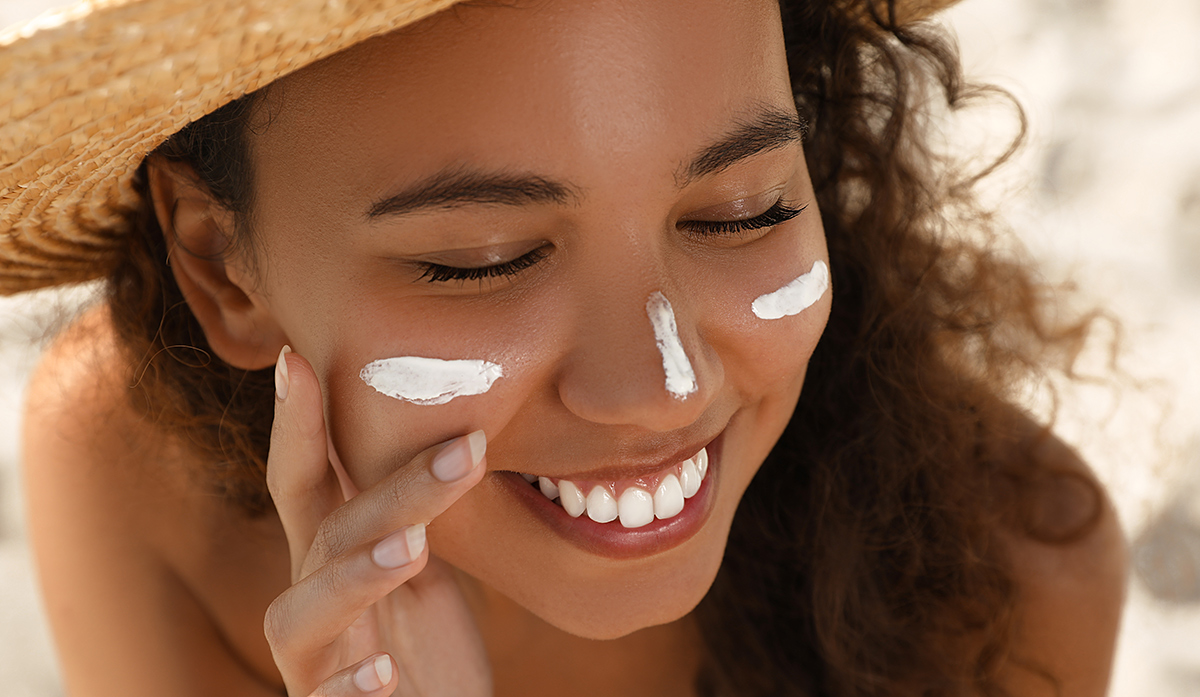
You don’t need a sunscreen labeled “for melanin-rich skin.” What matters is how the formula looks, feels, and protects once it’s on your face.
Dermatologists today agree on a few key things.
First, aim for SPF 50 and broad-spectrum protection.
Darker skin burns less easily, but UV exposure still drives uneven tone, hyperpigmentation, and long-term aging.
Second, pay attention to the type of filters.
- Mineral sunscreens sit on the skin and reflect UV rays. They’re often recommended for sensitive or pigmentation-prone skin, though older formulas could leave a gray cast.
- Chemical sunscreens absorb UV radiation and tend to feel lighter and more invisible on the skin. Many people prefer them for daily wear and under makeup.
- Combination formulas blend both approaches and are becoming increasingly popular because they balance comfort with strong protection.
Another important detail that many people overlook is visible light protection. For deeper skin tones, visible light can worsen melasma and stubborn dark spots. This is where tinted sunscreens with iron oxides become especially useful. These pigments help reduce light-induced discoloration and support a more even complexion over time.
In other words, tint is not just cosmetic. For many people with darker skin, it is part of real pigmentation prevention.
Texture also matters more than most people expect.
The best sunscreen is the one that disappears into the skin, doesn’t feel chalky or powdery, and works smoothly with skincare and makeup. Modern formulas often double as a light primer or skin tint, which makes consistent daily use much easier.
When checking the ingredient list, try to avoid high amounts of denatured alcohol, strong fragrance, or essential oils. These can increase irritation and make skin more reactive to sun exposure.
Look instead for supportive ingredients such as niacinamide, antioxidants like vitamin E, or pigment-balancing components that help maintain a clearer, more even tone.
Mineral Sunscreens Worth Trying
- Colorescience Sunforgettable Total Protection Face Shield SPF 50 Bronze
- Colorescience Sunforgettable Total Protection Face Shield Flex SPF 50
- Axis-Y No Stress Physical Sunscreen SPF 50
- Australian Gold Botanical Tinted Face BB Cream SPF 50
- EltaMD Restore Broad Spectrum SPF 40 Tinted
- EltaMD Restore Broad Spectrum SPF 40 Untinted
- EltaMD UV Physical Broad Spectrum SPF 41
- EltaMD UV Elements Broad Spectrum SPF 44 Tinted
- Colorescience Sunforgettable SPF 50 Powder Brush
- It Cosmetics Your Skin But Better CC+ Airbrush Perfecting Powder SPF 50
- Estee Lauder Double Wear Cushion Compact BB SPF 50
- MD SolarSciences Mineral BB Cream SPF 50 Deep
Chemical Sunscreens
- Supergoop Glowscreen SPF 40
- La Roche-Posay Anthelios Anti-Shine SPF 50
Hybrid Formulas
- DRMTLGY Broad Spectrum SPF 45
- EltaMD UV Sheer Broad Spectrum SPF 40
- New-Generation Skincare-Style SPF
- Naturium Dew-Glow Moisturizer SPF 50
How Much Sunscreen to Use and Why Coverage Matters
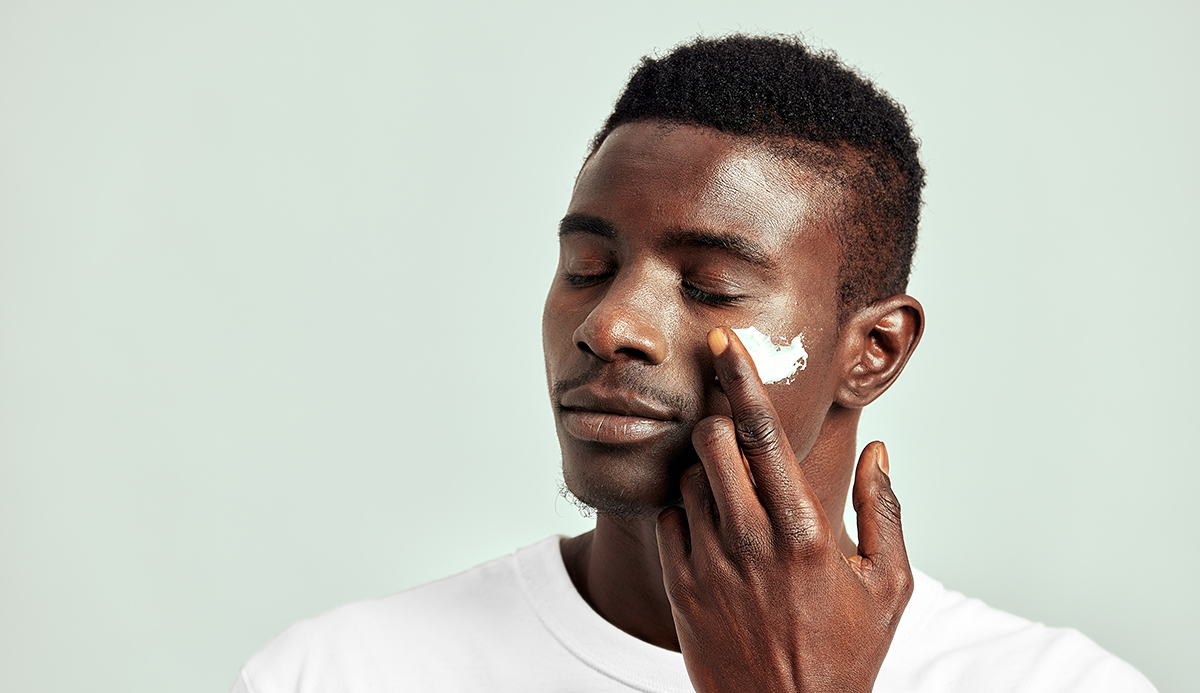
Most people apply less sunscreen than they need. When the layer is too thin, the real level of protection becomes much lower than the SPF listed on the label.
- For the face, use about two full finger lengths of sunscreen. This amount helps create an even protective layer instead of patchy coverage.
- For the body, dermatologists use a simple rule. Apply about one ounce, which is roughly the amount that fills a small shot glass. Taller or larger body types may need a little more.
It is especially important to protect areas people often forget. These places receive daily sun exposure and are common sites where skin cancer is diagnosed.
Pay close attention to:
- the tops and outer edges of the ears
- the back of the neck
- the hairline and temples
- the area under the jaw and along the jawline
- the tops of the hands
- the upper surface of the feet and toes when wearing open shoes
- the upper chest and shoulders
Apply sunscreen in a visible and even layer before it fully absorbs. The skin should look slightly moisturized at first. If the product disappears instantly, you are likely using too little.
Mistakes That Quietly Cancel Your Sun Protection

You put on sunscreen and still end up with dark spots, dull skin, or sun damage.
Usually the problem is not the product. It is the way it is used.
You apply it right before walking outside.
Sunscreen needs time to settle into an even protective film. Apply it about 15 minutes before sun exposure, not at the door while grabbing your keys.
You forget to reapply after real sun exposure.
Long walks, beach days, outdoor workouts, or even sitting on a sunny patio reduce protection faster than expected. After swimming, sweating, or spending hours outside, sunscreen must be applied again.
You rely on SPF but skip physical protection.
A hat, sunglasses, shade, and lightweight clothing reduce the total amount of radiation your skin receives. Sunscreen works best as part of a protection routine, not as the only step.
You stay in direct midday sun for too long.
Between late morning and mid afternoon the sun is at its strongest. Even high SPF cannot fully offset continuous exposure during these hours.
You use just a small amount because you want a natural finish.
A barely visible layer means barely real protection. Skin should look lightly moisturized for a moment after application. This usually means the amount is correct.
You trust makeup with SPF to do the whole job.
Foundation or powder with SPF adds support, but it rarely replaces a full sunscreen layer applied to bare skin.
You keep using the same bottle season after season.
Heat, light, and time reduce filter stability. Fresh sunscreen protects better and spreads more evenly. Small adjustments in how you apply and reapply sunscreen can dramatically change how your skin looks and ages over time.
You skip sunscreen on days when you get a manicure or pedicure.
Hands and feet stay under direct or reflected light for long periods during nail appointments. This exposure adds up over time and can trigger pigmentation and early sun damage. Applying sunscreen before the appointment helps protect these frequently neglected areas.
You store sunscreen in a hot car.
High temperatures can break down active filters and change the texture of the formula. A product that has been sitting in heat may spread unevenly and provide less reliable protection. Keep sunscreen in a cool indoor space whenever possible.
Skin Got Darker Even Though You Used Sunscreen
You applied sunscreen but still notice your skin looks darker after being outside. This often happens because sunscreen creates a sense of safety and you stay in the sun longer than usual.
Darkening can also occur when the layer was too thin, some areas were missed, or protection was not refreshed after swimming, sweating, or spending hours outdoors.
Sunscreen reduces damage. It does not block all sun exposure. Enough product, even coverage, and timely reapplication help keep skin tone more even.
Final Thoughts
The most important rule is simple. Your sunscreen should be one you genuinely like using.
If the texture feels heavy, leaves a cast, or does not sit well under makeup, you will skip it. Consistency matters more than brand names or trends. A product that works perfectly for your friend may not work the same way for you. Skin needs are different. Consider your own priorities such as acne tendency, sensitivity, oiliness, or need for extra hydration.
The right sunscreen is the one that fits your routine, feels comfortable on your skin, and becomes a natural part of your everyday care.